If you’ve ever found yourself curled up on the couch on a Sunday evening, feeling a heavy sense of dread as the next week looms, you’re not alone. That uncomfortable tightening in your chest. The creeping thoughts about your inbox, meetings, deadlines. The sudden urge to stay up later so you can squeeze every last minute out of the weekend. This is what people call the “Sunday scaries.”
In mid-career, Sunday scaries are rarely about laziness or motivation. They are more often a signal of sustained cognitive load, emotional fatigue, or misalignment that has accumulated over time.
For many mid-career professionals, Sunday nights can feel especially heavy. You’ve clocked years on the job. You’re juggling performance expectations, personal responsibilities, and ambitions that matter. And yet, as the weekend winds down, something inside you starts whispering, “Can I really do another week of this?”
In this article, we’ll unpack what Sunday scaries really are, why they’re so common in mid-career, and most importantly, what you can do about them in ways that go beyond quick fixes.
In plain language, the Sunday scaries are the anxiety and dread you feel as the weekend fades and the workweek draws near. It’s that uncomfortable tension, restless thinking, and emotional unease that seem to loom bigger on Sundays than any other day.
This isn’t just laziness or weakness. It’s a form of anticipatory anxiety – a natural psychological response to anticipating something we perceive as stressful.
There’s a big difference between:
The latter often points to something deeper than just “not wanting to go back to work.”
Mid-career is a unique phase. You’re likely carrying more responsibility than you did earlier in your career. You may be managing teams, handling complex projects, or simply trying to balance work with family, caregiving, or other life pressures.
Here’s what makes Sunday nights feel heavier in this stage:
By mid-career, your role isn’t just about executing tasks anymore. You may be held accountable for others’ success. Decisions feel weightier. The stakes feel higher.
When you’ve built years of experience and accomplishments, your sense of self can become deeply tied to your work performance. That’s a lot of emotional investment riding on forty (or more) hours a week.
Earlier in your career, switching jobs or roles might have felt simpler. In mid-career, choices come with bigger financial, social, or personal consequences. That can make the thought of change feel riskier.
Every week has meetings, emails, problems to solve, and people to manage. Carrying all that cognitive load can make transitions between leisure and work feel harder.
All of this can lead to emotional exhaustion that doesn’t just go away when Friday ends. Over time, it chips into focus, sense of purpose, and satisfaction.
At its core, the Sunday scaries are a form of anticipatory anxiety – anxiety about something that hasn’t happened yet but might. Your nervous system reacts as though the upcoming week is a threat.
This ties into broader psychological concepts like:
Sunday scaries aren’t a medical diagnosis, but they are a real psychological experience that signals how your brain and body are interpreting the week ahead.
Short answer: Sometimes, but not always.
Feeling uneasy about the start of a new week doesn’t automatically mean you have an anxiety disorder or depression. For many professionals, Sunday scaries are tied to:
However, if your Sunday dread is intense, persistent, or creeping into other areas of your life – like sleep, appetite, or relationships – it may be worth talking with a mental health professional. In some cases, these feelings can be part of deeper anxiety patterns or burnout that benefit from support beyond self-help strategies.
Recurring Sunday scaries aren’t random. They often point to one or more of these underlying causes:
You might be highly skilled, but not in the things that energise you.
If your day is driven by tasks handed down rather than work you choose, that can feel draining.
Your work may not align with what’s meaningful to you anymore.
When priorities aren’t clear, or support feels absent, anxiety naturally rises.
What matters most isn’t one unpleasant Sunday night. It’s the pattern, especially if you start counting down to Friday just to survive the week.

Yes. When your body and mind are in a state of ongoing tension, it doesn’t just stay in your Sunday night. It affects:
This isn’t about productivity hacks. It’s about well-being first. Sustainable career performance depends on psychological and emotional resources, not just getting more done.
At this stage of career, reducing Sunday scaries usually requires more than rest. It requires recalibrating how work fits into life, structurally and psychologically.
Here are practical, evidence-informed steps that make Sunday evenings feel calmer and more generative:
Turning off notifications, batching work tasks earlier in the week, and making Sunday evenings a no-work zone frees up your brain to rest.
This could be journaling about what’s on your mind, catching up with a friend, or ending the weekend with a calming activity. Planning your week ahead of time – so that thoughts don’t swirl without structure – can give your brain a sense of control.
Instead of imagining a monolithic “hard week,” identify one or two things you do look forward to. Setting intentions makes your brain less reactive.
Good sleep is recovery. Deep breathing, mindfulness, and physical movement like a walk can help ease anxiety.
These are not quick fixes, but they are habits that help your nervous system stay regulated.
If your dread:
then this might be less about the weekend and more about your career direction.
Many high performers only realise after years of pushing through that their patterns of overworking, under-resting, and saying “yes” by default are what’s draining their batteries, not the job title itself.
This is a signal that something in your career ecosystem might need recalibration.
This is where Performance Coaching can be a powerful support, not as a cure-all, but as a thought partner in designing a more sustainable way of working.
At The Happy Mondays Co., our approach helps you:
Performance coaching focuses on strategy, mindset, and real-world action – starting with where you are now and moving toward where you want to be.
Here’s the truth: short-term stress is inevitable. But chronic dread is not. The Foundation of long-term satisfaction is well-being first, not impulse decisions.
That means:
When you prioritise wellbeing, life after 40 can be energetic, purposeful and less tied to weekends as survival time.
Sunday scaries are not a sign of failure. They are information about your inner experience. They tell you something about how your work and life are interacting and what your nervous system needs right now.
Instead of pushing them down, listen. Notice the patterns. Attend to your wellbeing as part of your career success, not a distraction from it.
Addressing Sunday scaries early helps protect long-term performance, wellbeing, and career sustainability, especially for professionals navigating mid-career complexity.
If you’d like to explore what’s driving your Sunday scaries and how to create work that gives you energy instead of draining you, we’d love to chat. You can book a consultation with The Happy Mondays Co. as a conversation about your next steps, or find out more about our Performance Coaching.
Your Mondays don’t have to be heavy. They can be happy, grounded, and intentional.



Ready to create your Happy Mondays?
Book a free call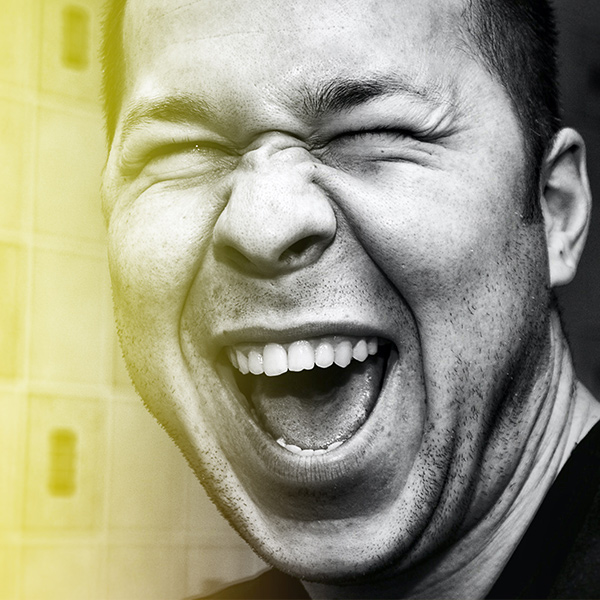





Founded in 2016, The Happy Mondays Co. empowers individuals, companies, and communities to achieve success on their own terms. Awarded top career coach in Singapore and Melbourne, we pride ourselves with an evidence-based approach grounded in empathy, candour, and confidentiality.
Ready to create your Happy Mondays™?